AP Municipal Elections 2026: Model Code of Conduct and Rules
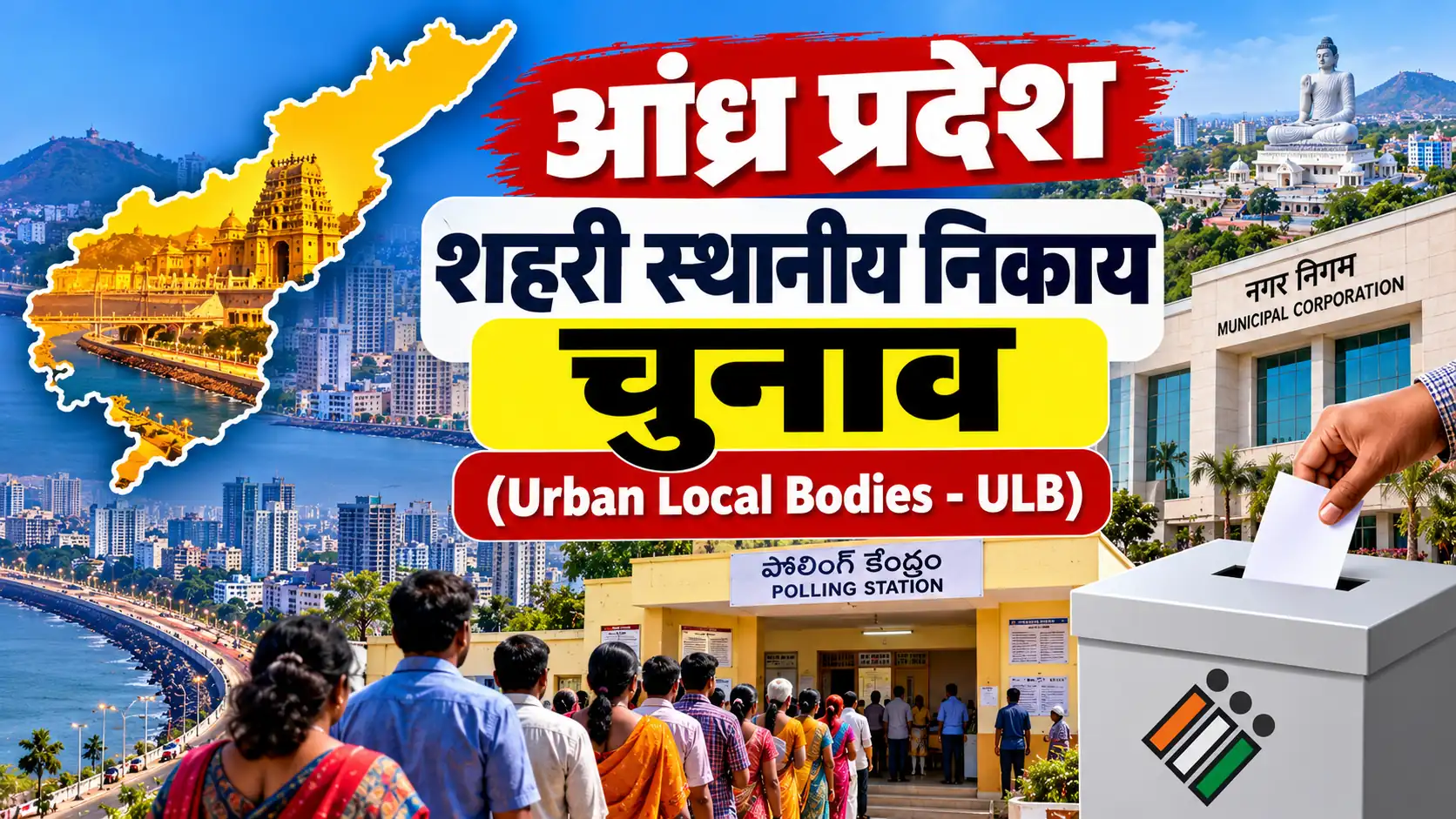
The Model Code of Conduct (MCC) is a set of rules and guidelines designed to promote free, fair and peaceful elections. During the Andhra Pradesh Municipal Elections 2026, political parties, candidates, ministers, government employees and public servants connected with the election process must follow the applicable instructions issued by the Andhra Pradesh State Election Commission (APSEC).
The MCC came into force after the local body election schedule was announced. The rules address campaign conduct, public meetings, processions, loudspeakers, voter inducements, the use of government resources and election expenditure. This guide explains the key provisions in simple language.
AP Municipal Election 2026: Key MCC Rules
- Do not promote enmity or seek votes by appealing to caste or religious sentiments.
- Obtain prior permission for public meetings and processions from the competent authorities.
- Use loudspeakers only within the permitted hours and follow local permissions and restrictions.
- Do not use government vehicles, staff, buildings or official machinery for election campaigning.
- Do not distribute cash, liquor or other inducements to influence voters.
- Maintain proper records of election expenditure and submit accounts as required by the rules.
- Do not announce new financial benefits or use official programmes to gain an unfair electoral advantage where prohibited by the MCC.
1. When Does the Model Code of Conduct Apply?
Under the local body election code published by the state election authorities, the MCC comes into force when the State Election Commission announces the election schedule and remains in operation until the election process is completed.
For ordinary elections to urban local bodies across the state, the code applies to the notified urban areas under the applicable rules. The exact area of enforcement can differ for elections to limited vacancies or individual local bodies. Candidates and political parties should follow the relevant APSEC notification and instructions issued by election officials.
2. Rules for Election Campaigning
Political parties and candidates are expected to conduct campaigns responsibly and avoid actions that disturb public order or undermine a fair election.
- Do not make campaign statements intended to create hatred or tension between communities on the basis of caste, religion or language.
- Do not seek votes by exploiting religious or communal sentiments.
- Do not use places of worship for election propaganda.
- Do not intimidate voters or interfere unlawfully with their right to vote.
- Follow the applicable restrictions on campaign materials, public displays and use of public property.
Campaign speech and activity must comply with the MCC and applicable election laws. A complaint about a possible violation should be assessed by the competent election authority rather than treated as a confirmed offence before verification.
3. Public Meetings, Rallies and Processions
Public meetings and processions require prior permission from the competent authorities under the reported AP election guidelines. Organisers should apply in advance and comply with the conditions imposed by the authorities.
- Obtain the required permission before organising a public meeting or procession.
- Follow the approved location, timing and route conditions.
- Comply with police and local authority instructions concerning traffic, security and public order.
- Do not obstruct other parties or candidates from conducting permitted campaign activities.
- Follow the applicable rules for loudspeakers and sound equipment.
4. Loudspeaker Timing Rules
The revised MCC guidelines reported for Andhra Pradesh state that loudspeakers may be used between 6:00 AM and 10:00 PM for transmitting speeches. This does not remove the need to obtain any permission required by the competent authority or to comply with other applicable sound and public-order restrictions.
Candidates and campaign organisers should confirm the conditions in their local permission and follow any additional directions issued by the police, election officers or other competent authorities.
5. Cash, Gifts, Liquor and Voter Inducements
Candidates and political parties must not offer illegal inducements to influence a voter. Cash, gifts, liquor or other benefits offered in exchange for votes may violate election laws and applicable instructions.
The AP local election guidelines reported in October 2026 prohibit the distribution and serving of liquor during the 48 hours preceding the conclusion of polling and on counting days. The precise restrictions and their implementation should be checked against the current official order applicable to the relevant election.
- Do not distribute cash or gifts to influence voting choices.
- Do not threaten or pressure voters.
- Do not organise prohibited liquor distribution or serving during the restricted period.
- Report suspected violations to the competent election authorities or law enforcement agencies.
6. Restrictions on the Ruling Party and Government
The MCC places restrictions on the use of government power and public resources to secure electoral advantage. According to the revised AP local election guidelines, ministers and authorities must observe restrictions on sanctioning grants, announcing new financial schemes, laying foundation stones and making ad hoc appointments after the election announcement.
- Do not use government vehicles, employees or official machinery for campaigning.
- Do not use official visits as a means of conducting electioneering in violation of the applicable rules.
- Do not use government buildings, rest houses or public resources to unfairly benefit a political party.
- Observe the restrictions on new grants, financial schemes, project announcements and foundation-stone ceremonies.
- Government employees and public servants connected with elections must remain impartial.
Existing welfare programmes already being implemented may be treated differently from new announcements, subject to the applicable MCC instructions and specific orders. Do not assume that every ongoing government service must stop. Verify the status of a particular scheme with the competent authority.
7. Election Expenditure Rules for Candidates
Candidates must maintain accurate records of election-related expenditure and comply with the applicable expenditure limits and reporting requirements. The revised local election guidelines reported in October 2026 state that candidates must maintain daily expenditure accounts and submit their final accounts to the District Election Authority within 45 days of the declaration of results.
- Record campaign expenses accurately and regularly.
- Retain bills, receipts and supporting documents as required.
- Follow the expenditure limit applicable to the specific office and local body.
- Submit the required expenditure statement to the designated authority within the prescribed period.
The expenditure limit can vary according to the position being contested and the applicable rules. Candidates should confirm the current limit from the relevant APSEC notification or District Election Authority instead of relying on an unverified figure.
8. Rules for Polling Day
On polling day, candidates, polling agents and political parties must comply with the instructions of election officials and the applicable election rules.
- Do not intimidate voters or obstruct them from entering the polling station.
- Do not impersonate another voter or engage in fraudulent voting.
- Follow the rules for polling agents, voter identification and authorised voter slips.
- Voter identity slips should follow the prescribed format; the revised AP guidelines reported that these slips must be printed on plain white paper without party symbols or candidates’ names.
- Comply with instructions concerning campaign activity near polling stations and any restricted zones.
- Follow all directions issued by the Presiding Officer and other authorised election personnel.
9. What Happens if the MCC Is Violated?
A suspected MCC violation may be reported to the Returning Officer, Election Officer, District Election Authority, APSEC or the appropriate law enforcement authority, depending on the issue. Officials may examine the complaint, seek evidence and take action under the applicable code, election rules or other laws.
A complaint alone does not establish that a violation occurred. Keep available evidence such as the date, location, relevant photographs or video, and other details that can help officials assess the complaint. Avoid spreading unverified allegations as established facts.
10. How to Check Official MCC Instructions
- Visit the official Andhra Pradesh State Election Commission website.
- Look for the latest election schedule, MCC circulars and instructions for local body elections.
- Read the official handbook and relevant municipal election rules where applicable.
- For local permissions, contact the competent police, municipal or election authority.
- For a complaint, use the reporting process specified by APSEC or the relevant district authority.
Official resources:
- Andhra Pradesh State Election Commission
- Official Handbook for Contesting Candidates – Municipalities
- Official Manual of Election Law – Municipal Corporations
Frequently Asked Questions (FAQs)
1. What is the Model Code of Conduct in AP Municipal Elections 2026?
The MCC is a set of guidelines that regulates the conduct of political parties, candidates and relevant public authorities during elections to support free, fair and peaceful polling.
2. When did the MCC come into force?
It came into force following the announcement of the local body election schedule and remains in force until completion of the election process, subject to the applicable official instructions.
3. What are the loudspeaker timing rules?
The revised AP guidelines reported in October 2026 specify 6:00 AM to 10:00 PM for loudspeakers transmitting speeches. Required permissions and other restrictions still apply.
4. Can the government announce new schemes during the MCC?
The reported guidelines restrict new financial schemes, grants and certain project-related announcements after the election announcement. The treatment of ongoing programmes depends on the applicable instructions and specific orders.
5. Are public meetings and rallies allowed?
They may be held subject to prior permission from the competent authorities and compliance with the approved conditions and election rules.
6. When must candidates submit election expenditure accounts?
The revised local election guidelines reported in October 2026 specify submission of final expenditure accounts to the District Election Authority within 45 days of result declaration. Candidates should verify the current applicable rule and format.
7. Where can voters report an MCC violation?
Depending on the complaint, voters may contact the Returning Officer, Election Officer, District Election Authority, APSEC or the appropriate law enforcement authority.
Disclaimer
This article is for general information and is not legal advice. Election rules, permissions, expenditure limits and MCC instructions may be amended or clarified by official orders. Always consult the latest APSEC notification, the applicable election rules and the competent authority for a specific case.


